PLAYERS
Home sides did worse
In a study of 4,844 matches across 11 countries, the home advantage in goals and points shrank without fans, mainly because home teams performed worse.
See the numbers doodlecheer
WHAT THE RESEARCH SAYS
Cheering is not just noise in the background.
See what changes
HOME EDGEalmost halved without fans
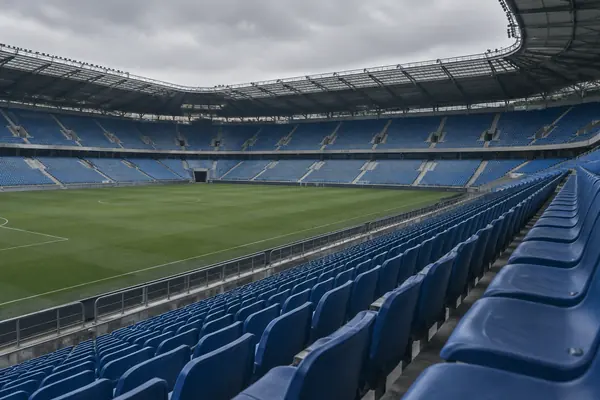
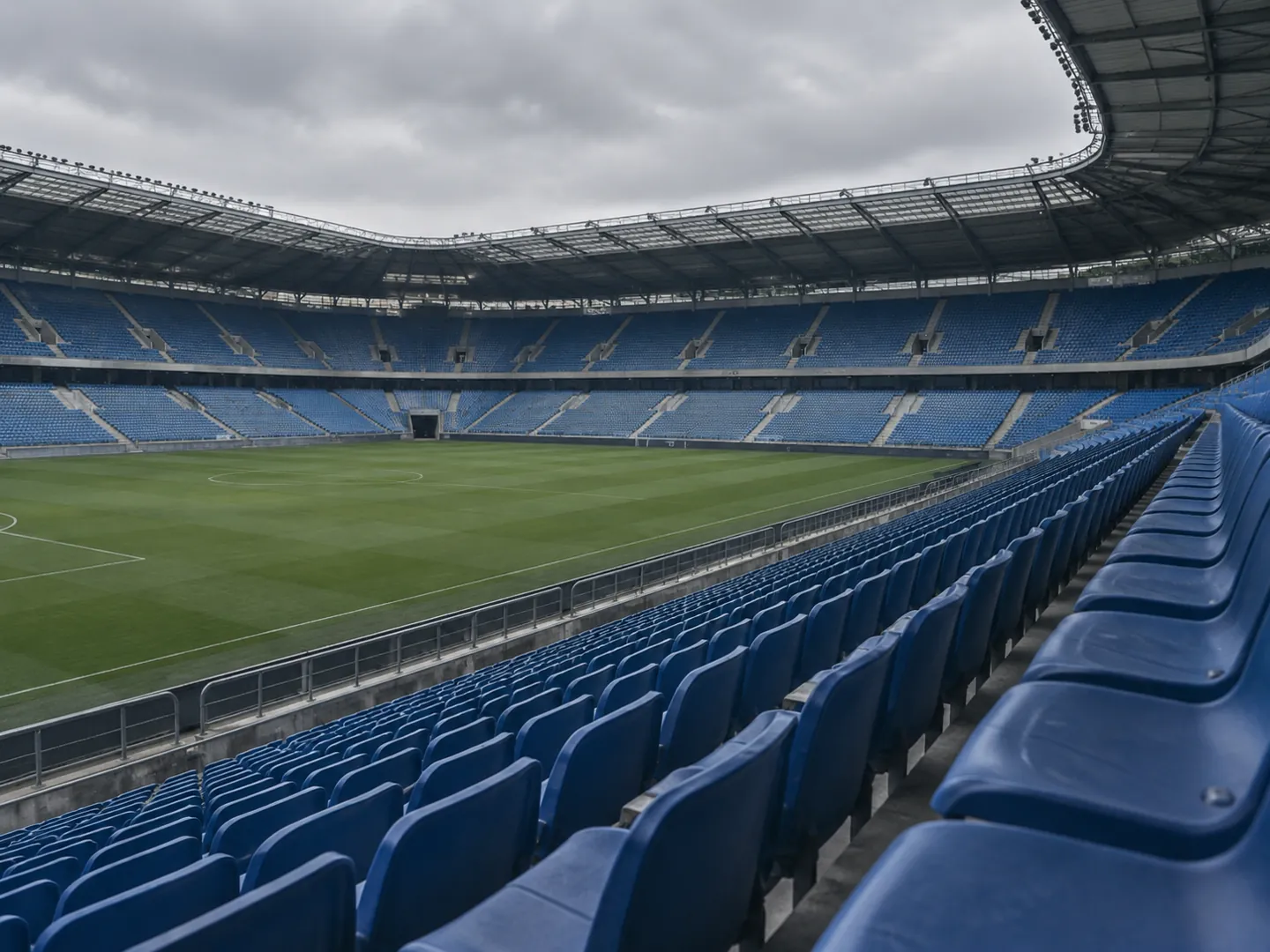
When matches were played behind closed doors in 2020, researchers finally got to compare football with and without fans. The home edge shrank, home teams attacked less, and referees handed away teams fewer yellow cards.
Updated
THE SHORT ANSWER
Home teams usually win more and score more.
Empty stadiums let researchers test why.
PLAYERS
In a study of 4,844 matches across 11 countries, the home advantage in goals and points shrank without fans, mainly because home teams performed worse.
See the numbersNATURAL EXPERIMENT
The 2019/20 season began with crowds and finished without them. That gave researchers a rare before-and-after comparison in the same competitions.
What changedREFEREES
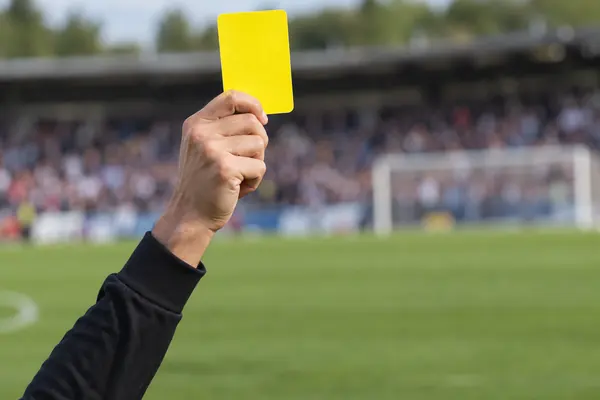
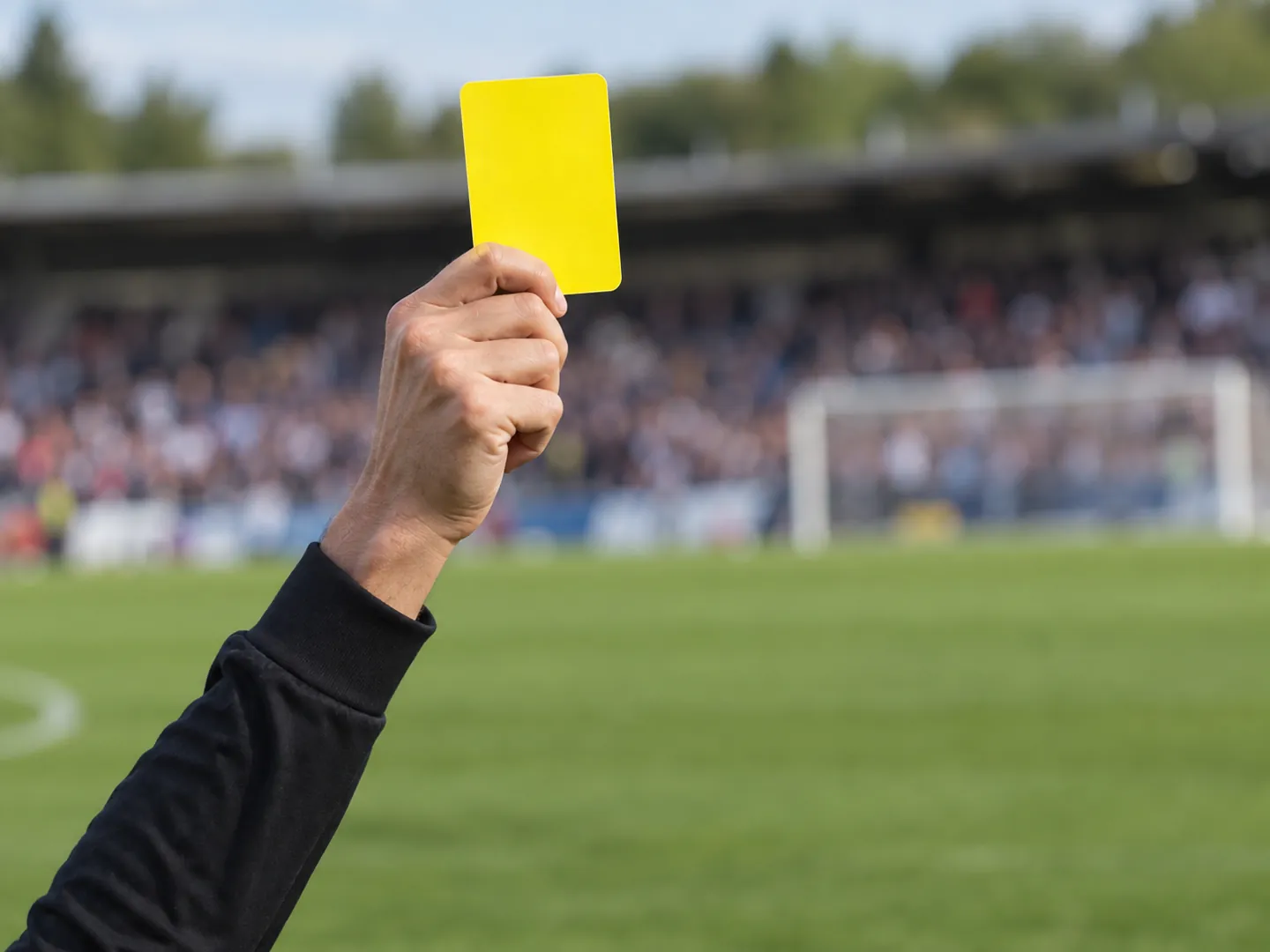
Several studies found referees gave fewer yellow cards to away teams in empty stadiums, which reduced the home advantage.
Why refereesWHAT CHANGED WITHOUT FANS
Choose something that happens on a matchday to see what researchers found when the crowd was taken away. The bar shows how clearly the research pointed to a crowd effect.
Based on published studies of professional football in 2019/20 and an earlier referee experiment. Effects are averages across many matches.
TWO NUMBERS WORTH KNOWING
One figure from empty stadiums,
one from a referee experiment with the sound turned up.
0.39 → 0.22
Extra points per game at home, with and without fans
Across 4,844 matches in 15 leagues and 11 countries, the home advantage in points was almost halved when games were played without spectators.
HOME ADVANTAGE · 2021 STUDY
15.5% fewer
Fouls given against the home team with crowd noise
Qualified referees judged videotaped tackles with or without the crowd's noise. Those who heard the crowd awarded significantly fewer fouls against the home team.
REFEREES · 2002 EXPERIMENT
A 2023 systematic review of 26 studies of matches without spectators concluded that empty stadiums had a considerable impact on home advantage, linked to reduced referee bias and the missing emotional support from the stands.
WHAT THIS MEANS FOR FANS
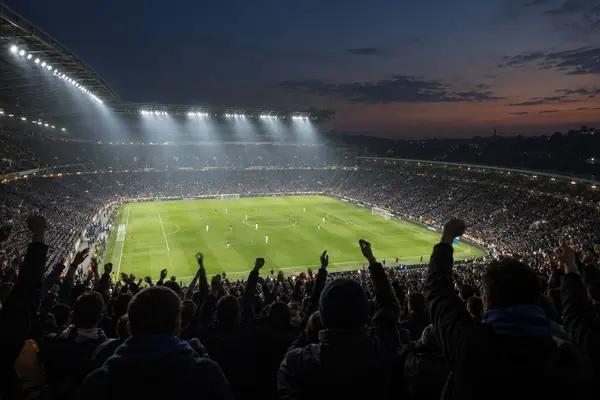
The research is about averages across thousands of matches, not any single game. But it does suggest that turning up and making noise is part of how home advantage works.
The home edge in points and goals shrank when crowds were absent, so the presence of fans is part of the advantage.
Without fans, home teams created fewer attacking chances. Researchers point to the emotional support from the stands.
In the 2002 experiment, referees who heard crowd noise gave fewer fouls against the home team. The authors suggest the noise itself is a strong cue.
Home teams still had an edge without fans, so travel, familiarity and other factors play a part too.
WHY REFEREES
In the 2002 study, referees watched the same videotaped challenges, some with the crowd's noise and some in silence. The authors concluded that the noise of the crowd influenced referees' decisions in favour of the home team.
They suggested referees may lean on mental shortcuts and may want to avoid the crowd's displeasure. Empty-stadium studies later found away teams received fewer yellow cards when there was no crowd to react.
Questions
Yes, on average. Home teams in football usually win more often and score more than away teams. Researchers call it one of the most studied effects in professional team sport.
In a study of 4,844 matches across 11 countries, home teams won 0.39 points more per game than away teams with fans, and only 0.22 points more in empty stadiums.
Both seem to play a part. Home teams created fewer chances without fans, and referees gave fewer yellow cards to away teams. One study found the foul difference mostly disappears once style of play is considered.
A 2002 experiment found referees who watched tackles with crowd noise awarded significantly fewer fouls against the home team, 15.5% fewer, than those who watched in silence.
No. In the empty-stadium study it was almost halved rather than wiped out, so other factors such as familiarity with the ground still matter.
ABOUT THIS NAME
doodlecheer.com is part of the DoodleSale portfolio. It isn't in an auction right now, but you can ask about leasing it.